Textiles
USB Microscope for Textile and Fiber Inspection
Magnified documentation for fibers, weave, loose threads, contamination, finish issues, and batch comparisons.
Overview
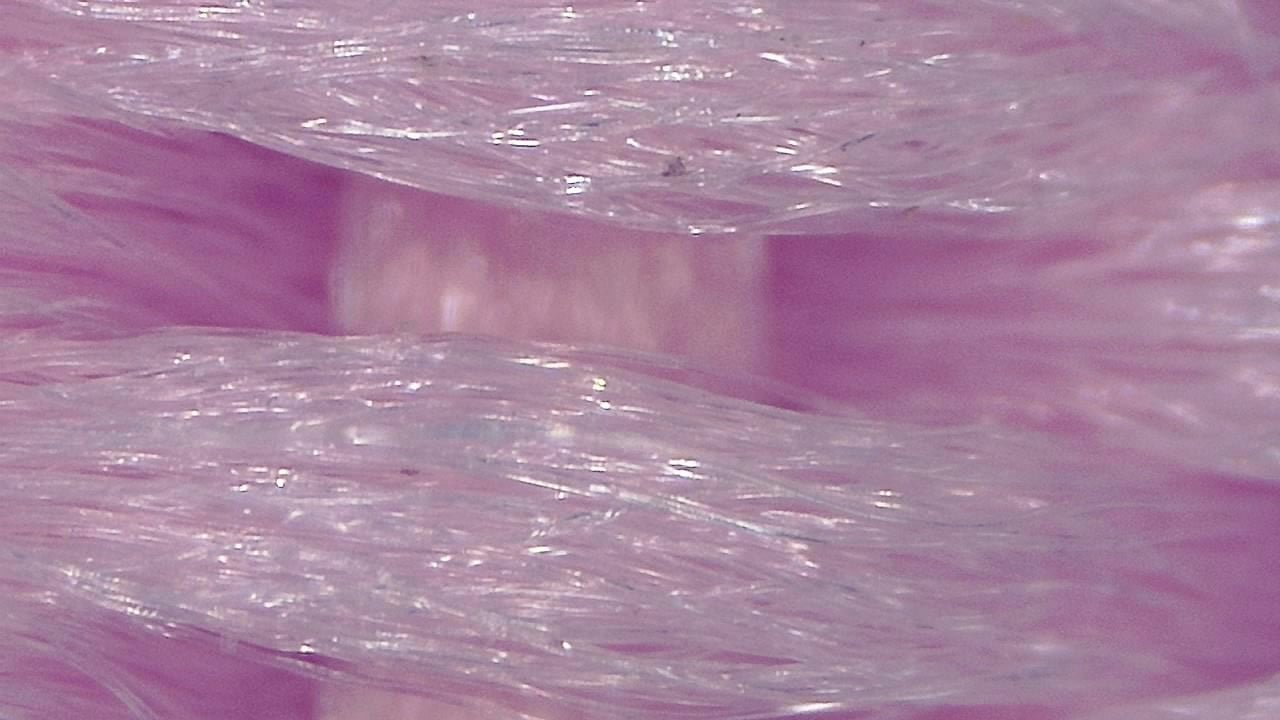
Smart G-Scope makes it easy to examine fibers and weaves to identify defects such as loose threads, irregularities, breaks, or differences between batches.
It is useful for quality control, audits, and material validation, and helps document issues visually.
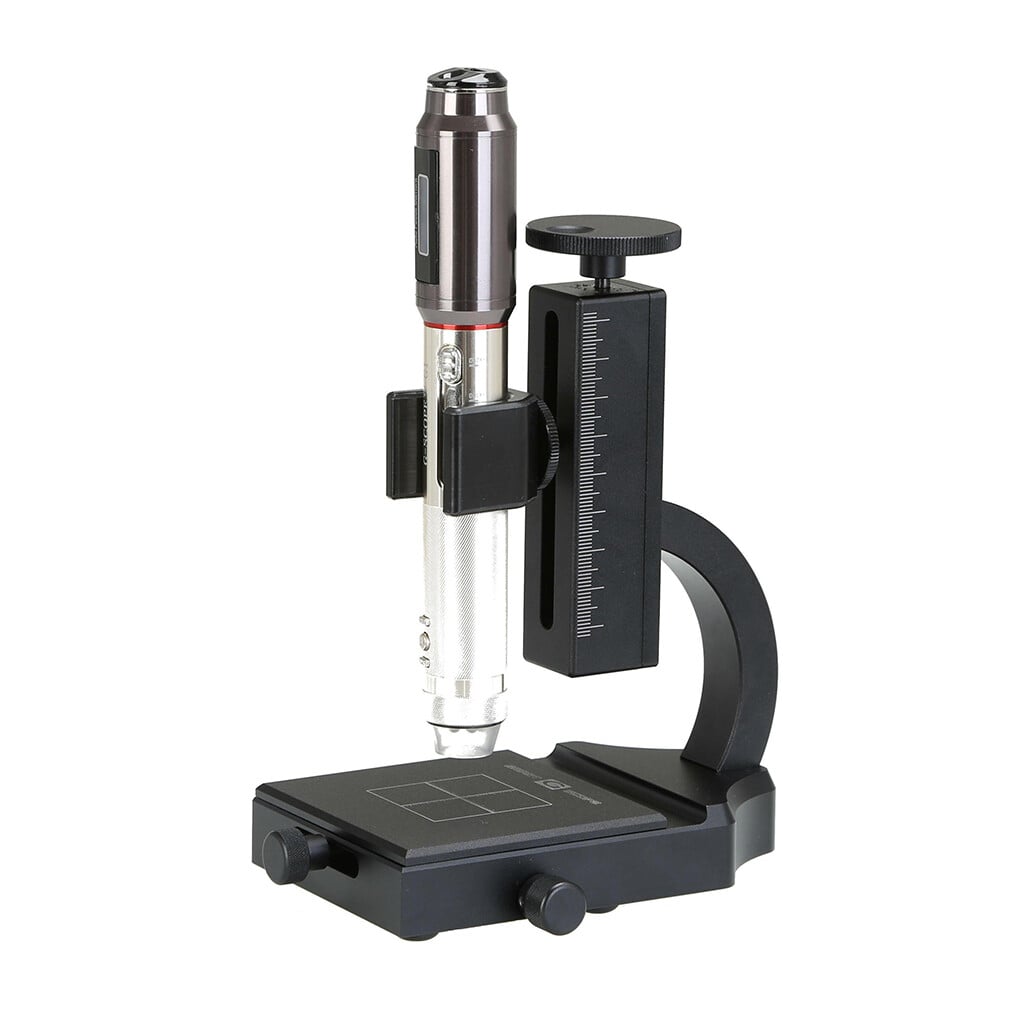
Using a stand improves consistency when comparing samples from different sources.
Recommended Smart G-Scope setup
- Use a stand for repeatable images across batches or suppliers.
- Control lighting for glossy, dark, or patterned fabrics.
- Label images by batch, supplier, material, and defect location.
What you can observe
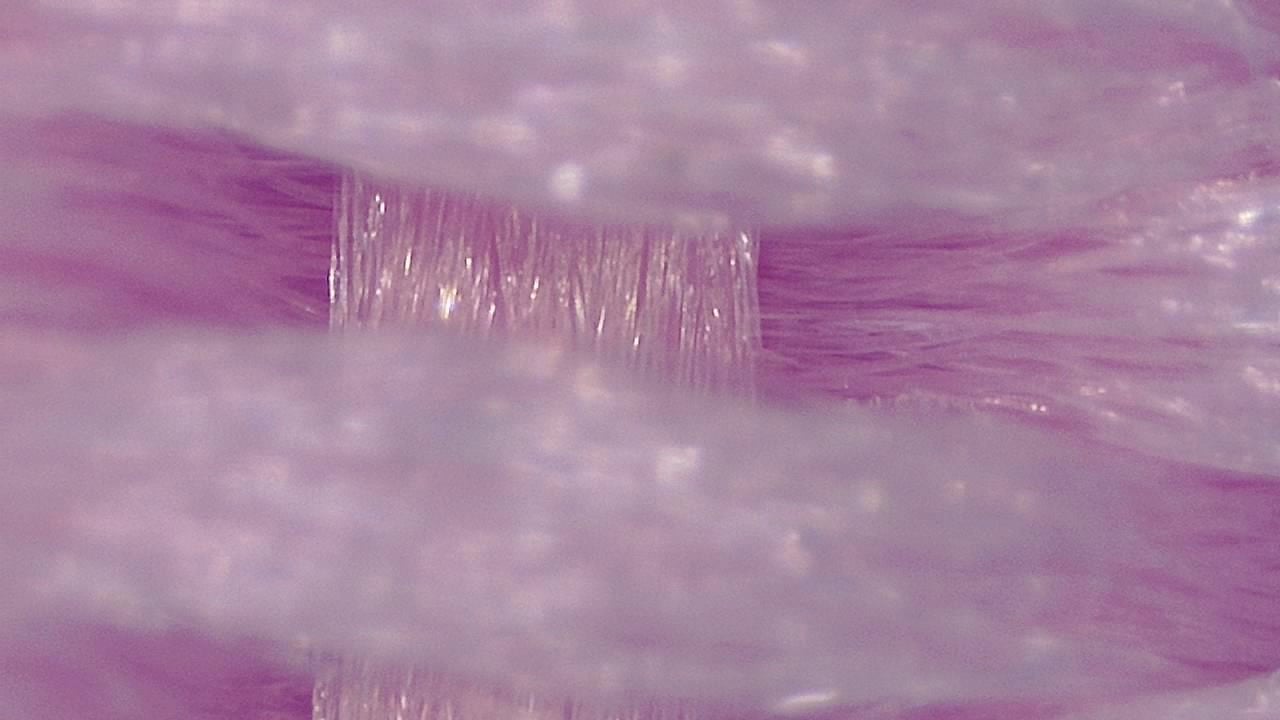
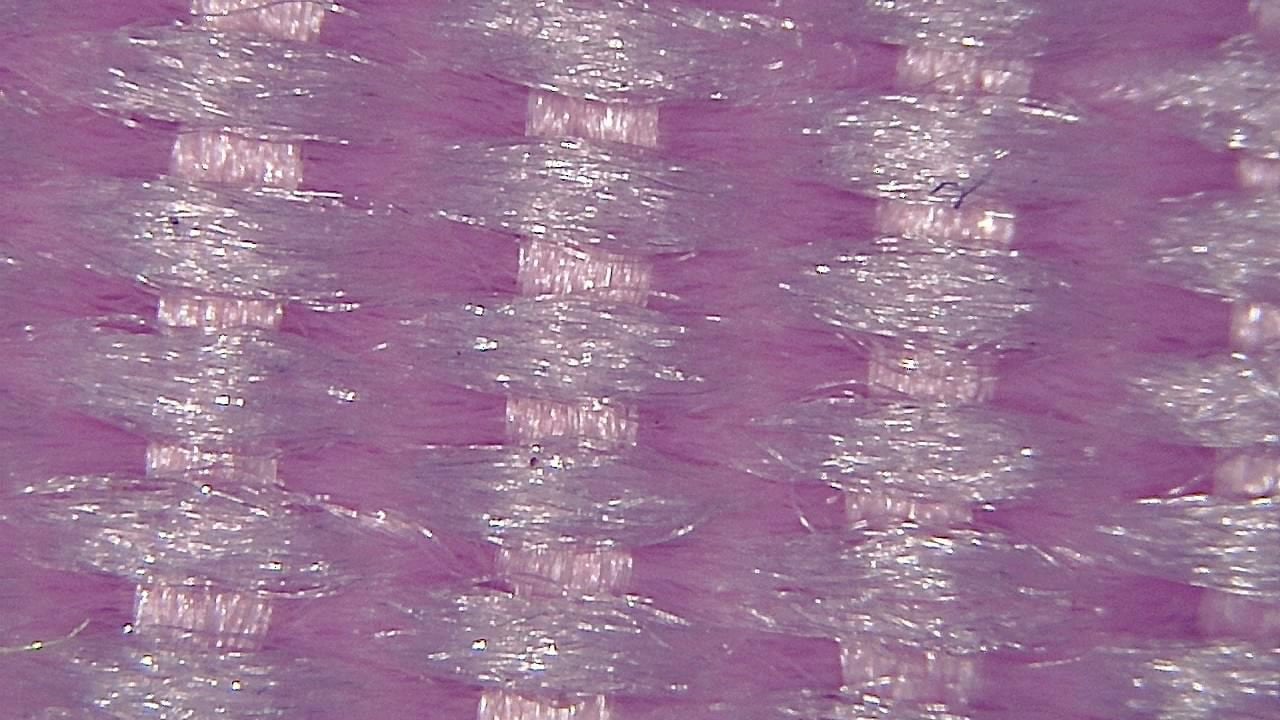
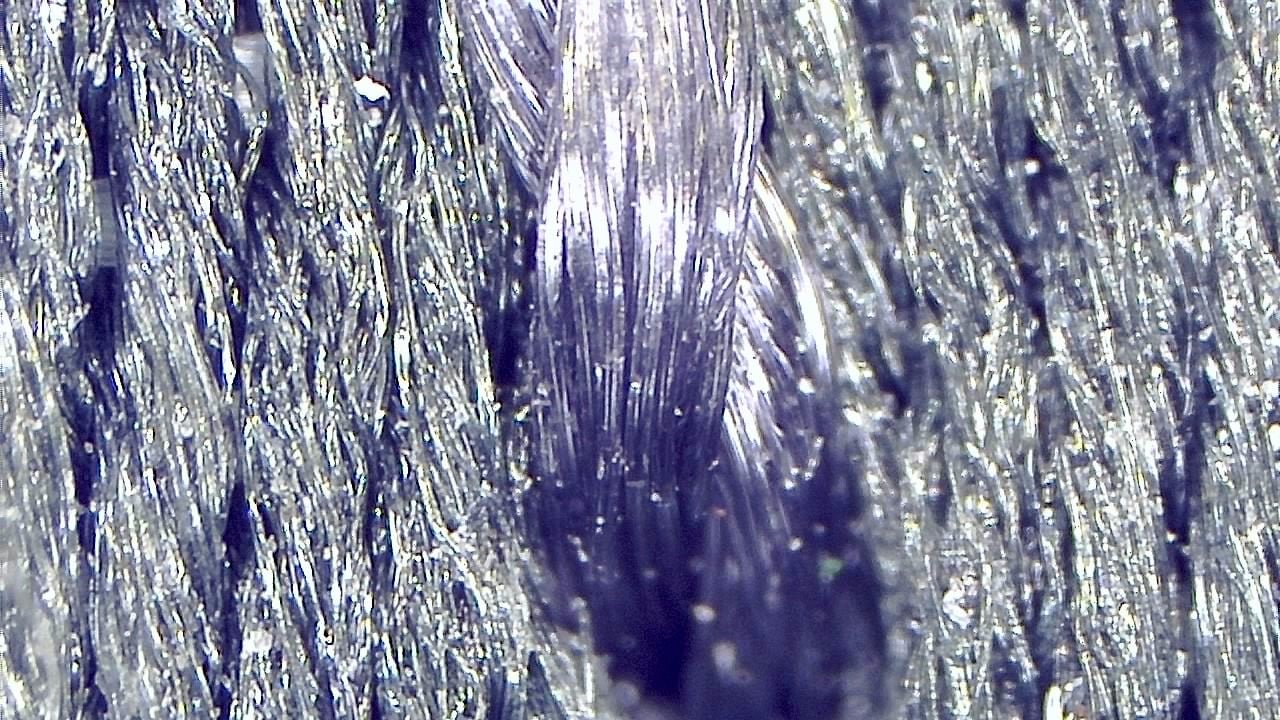
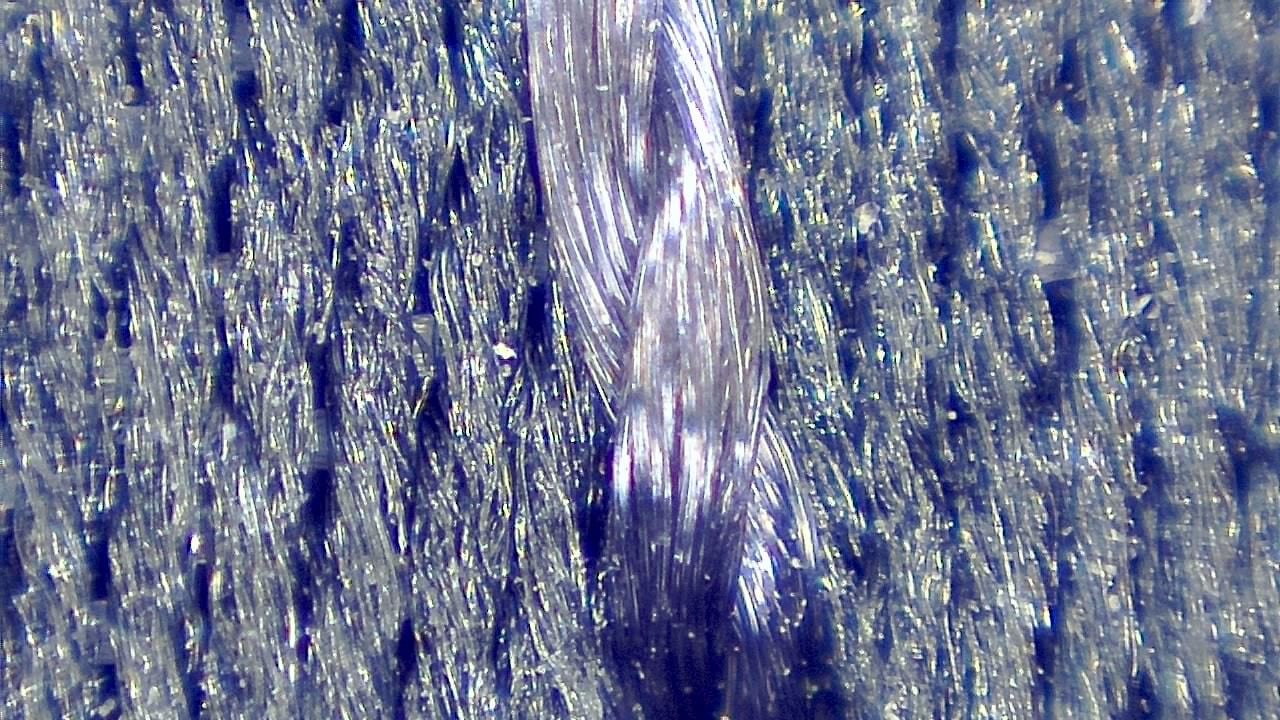
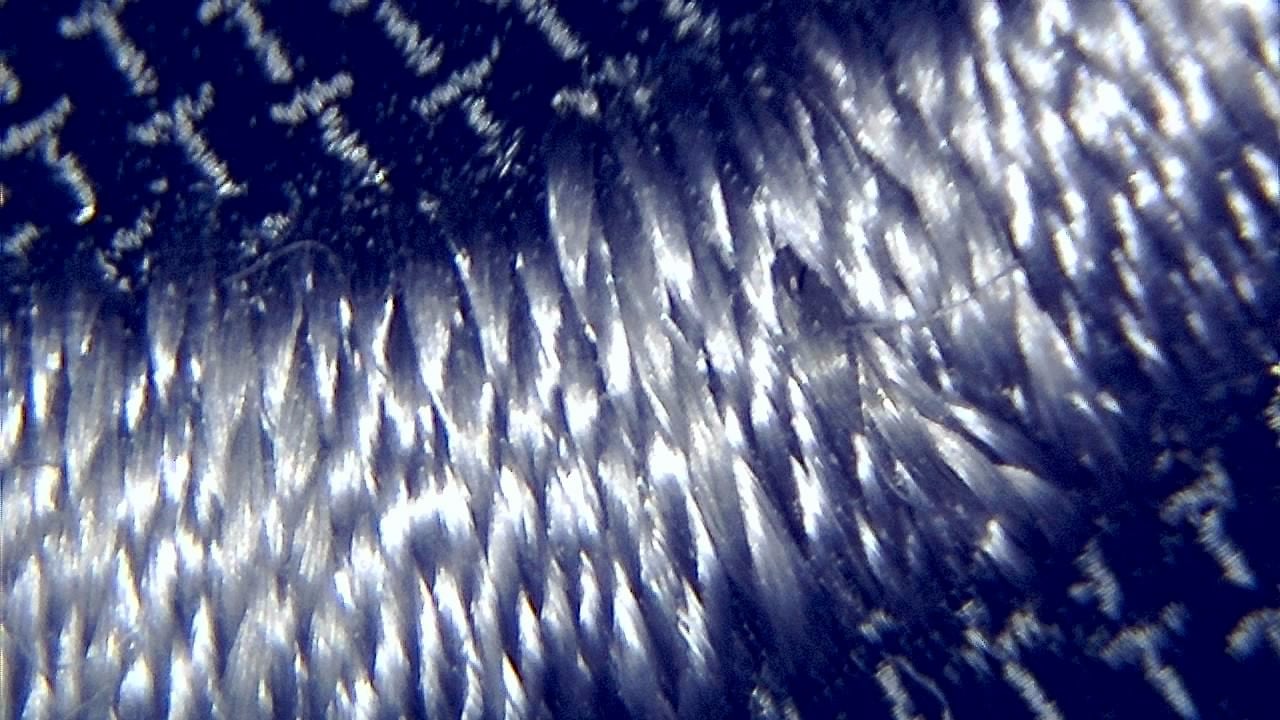
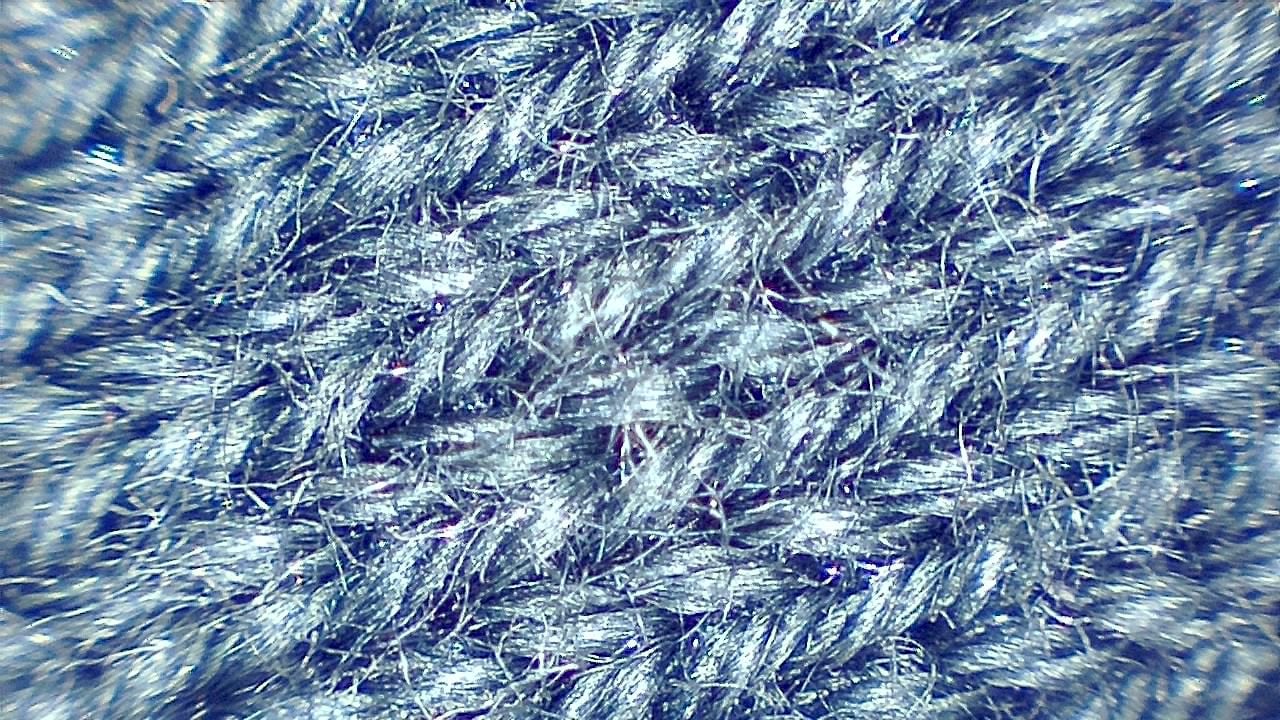
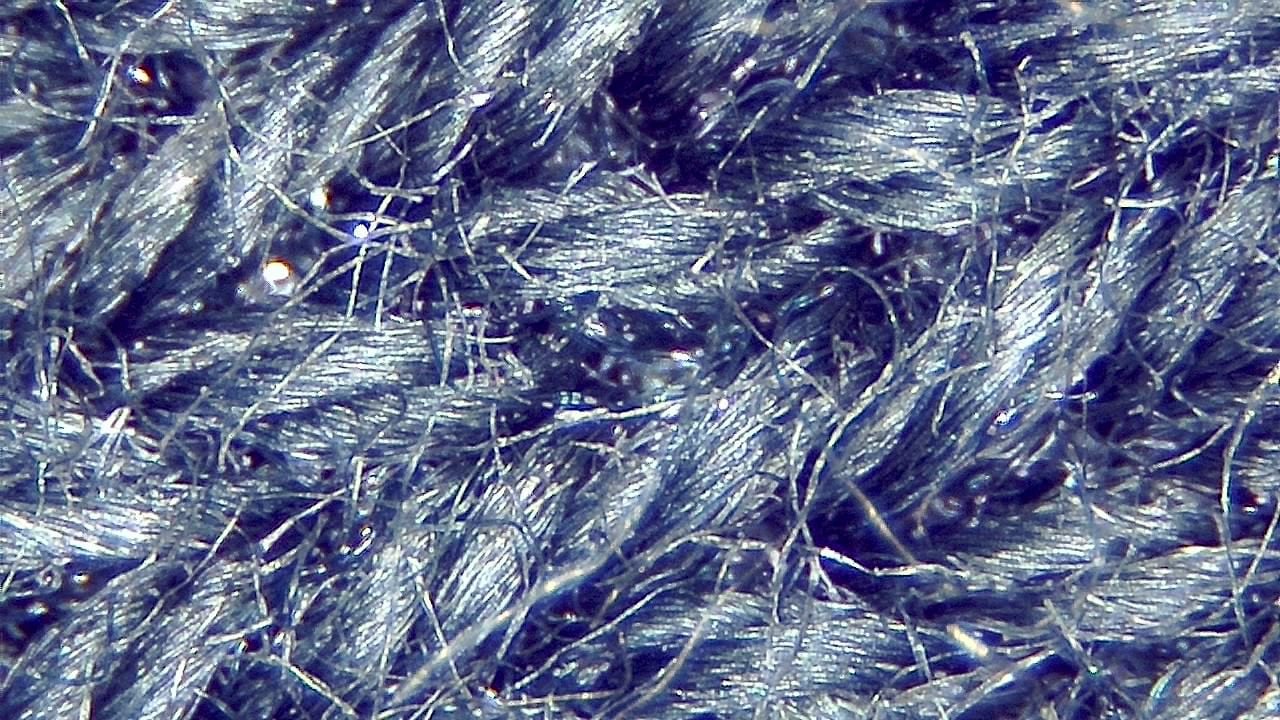
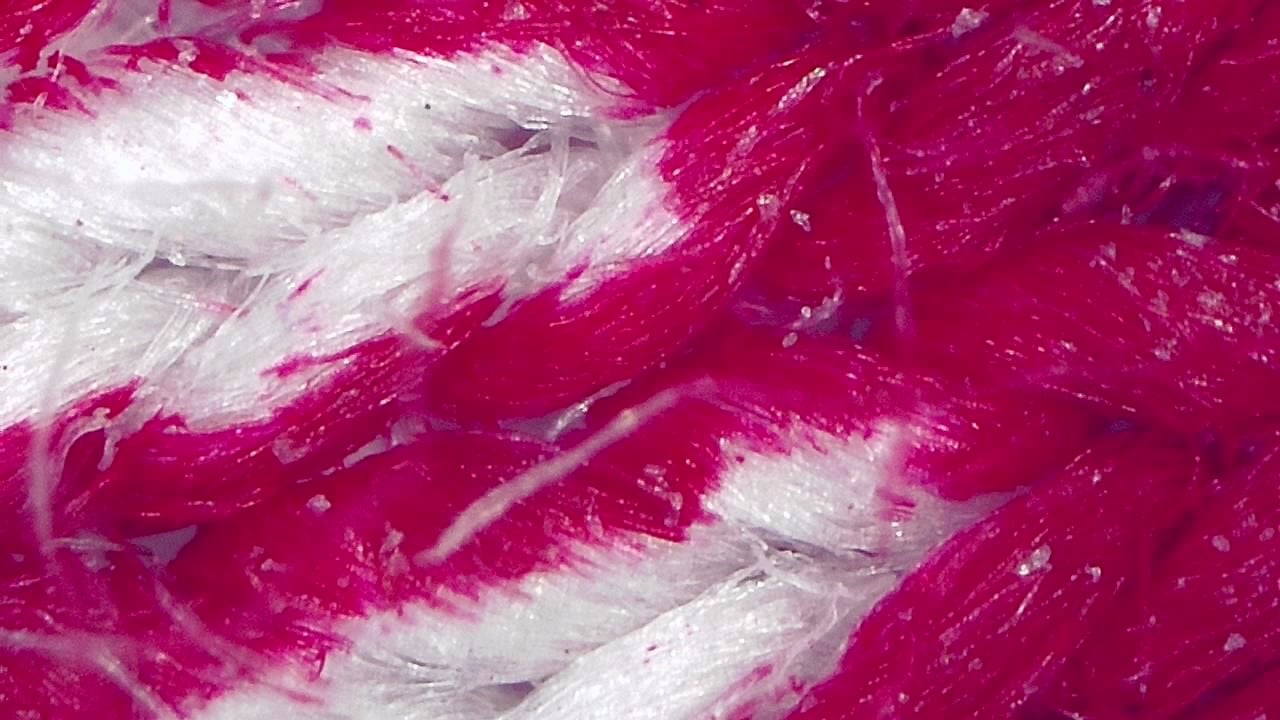
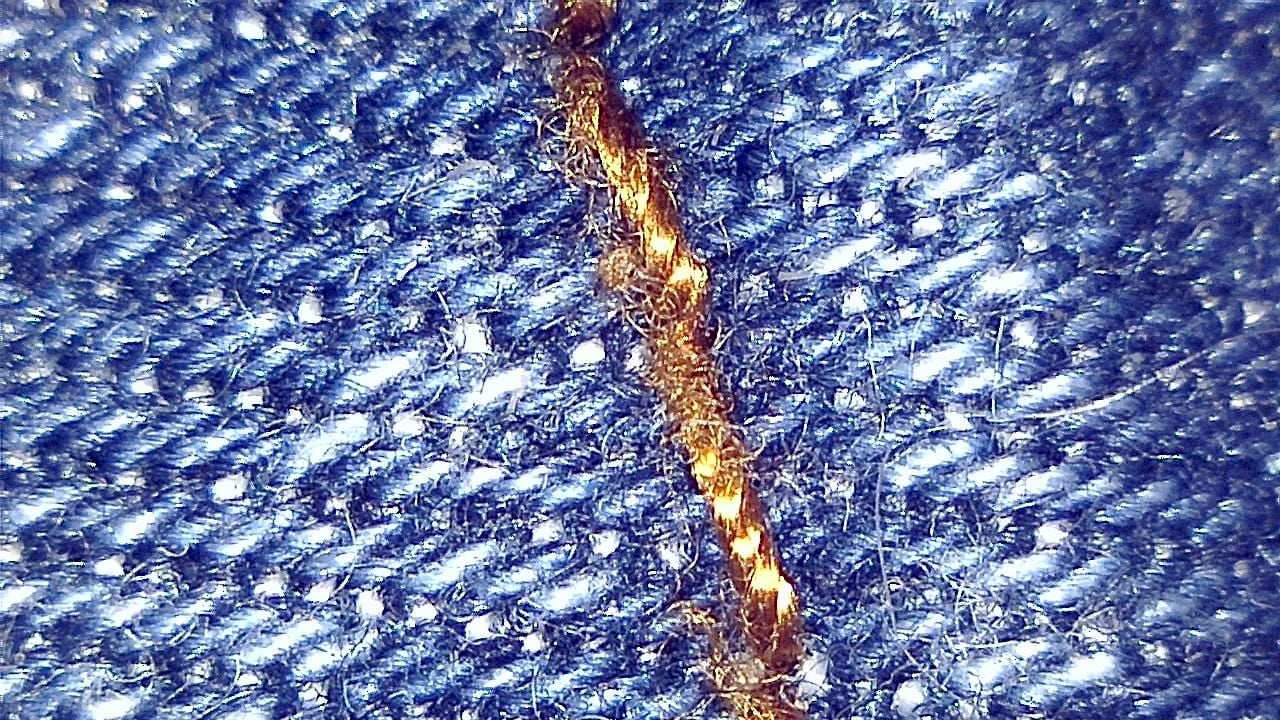
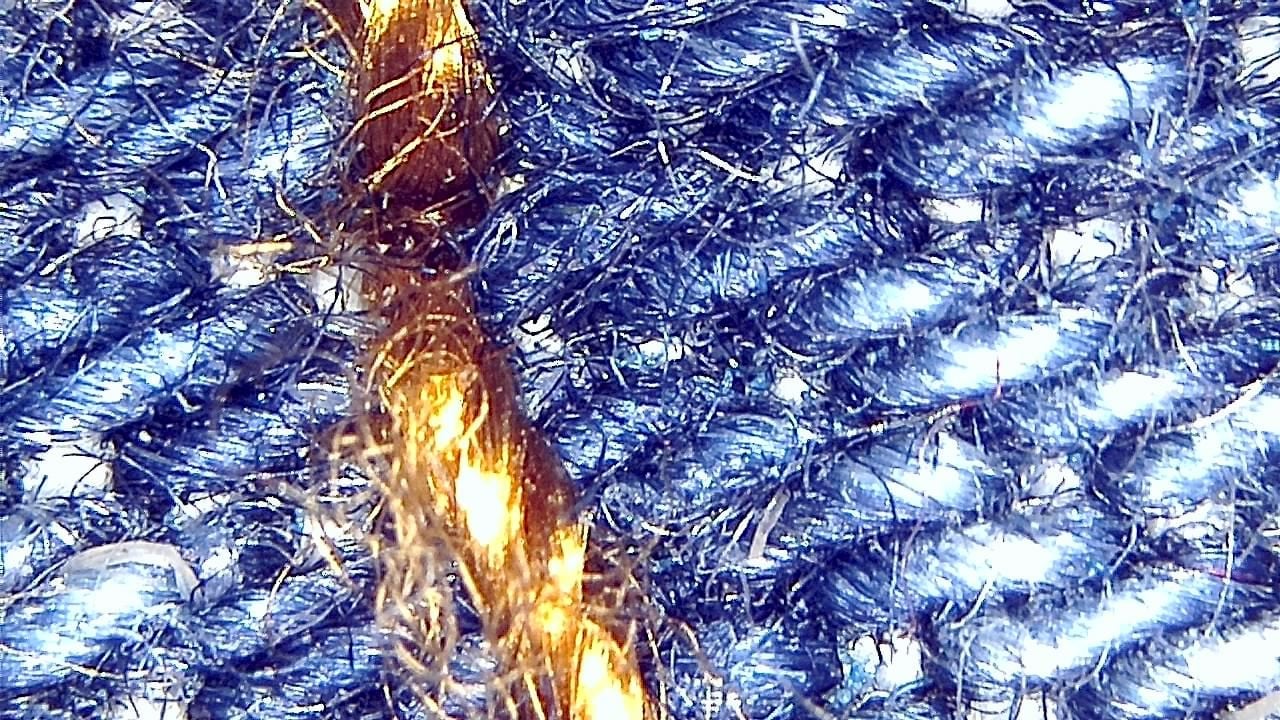
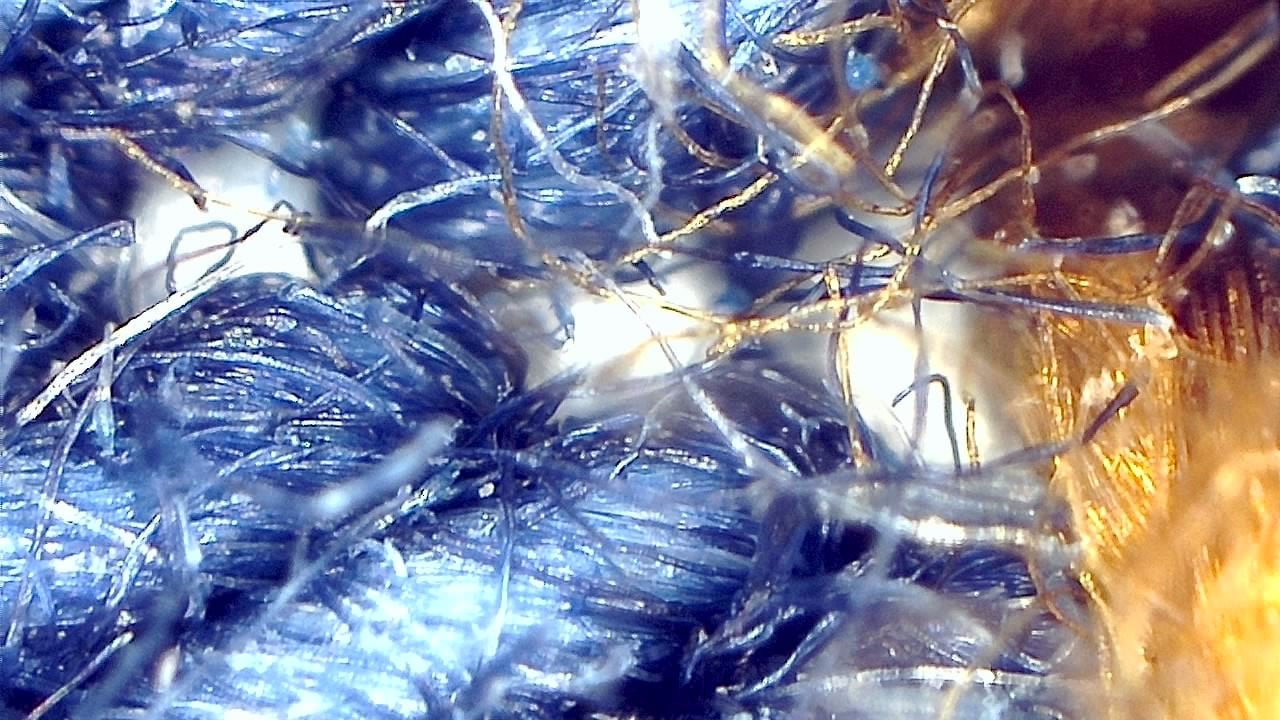
- Fiber shape, weave structure, fraying, broken threads, pilling, and surface contamination.
- Coating or finish irregularities that need visual quality review.
- Side-by-side visual records for supplier communication and audits.
Typical workflow
- 1Prepare a flat sample area and reduce folds or tension changes.
- 2Capture representative defects and a normal reference area.
- 3Compare images across lots, suppliers, or production steps.
Key benefits
- Fast identification of fiber/weave defects
- Consistent batch-to-batch comparisons
- Documentation for audits and suppliers
- Compact tool for inspection workflows
Best for
- Textile QC, supplier audits, training, forensics support, and education.
Not ideal for
- Replacing chemical fiber-composition tests or tensile/abrasion testing.
Image gallery

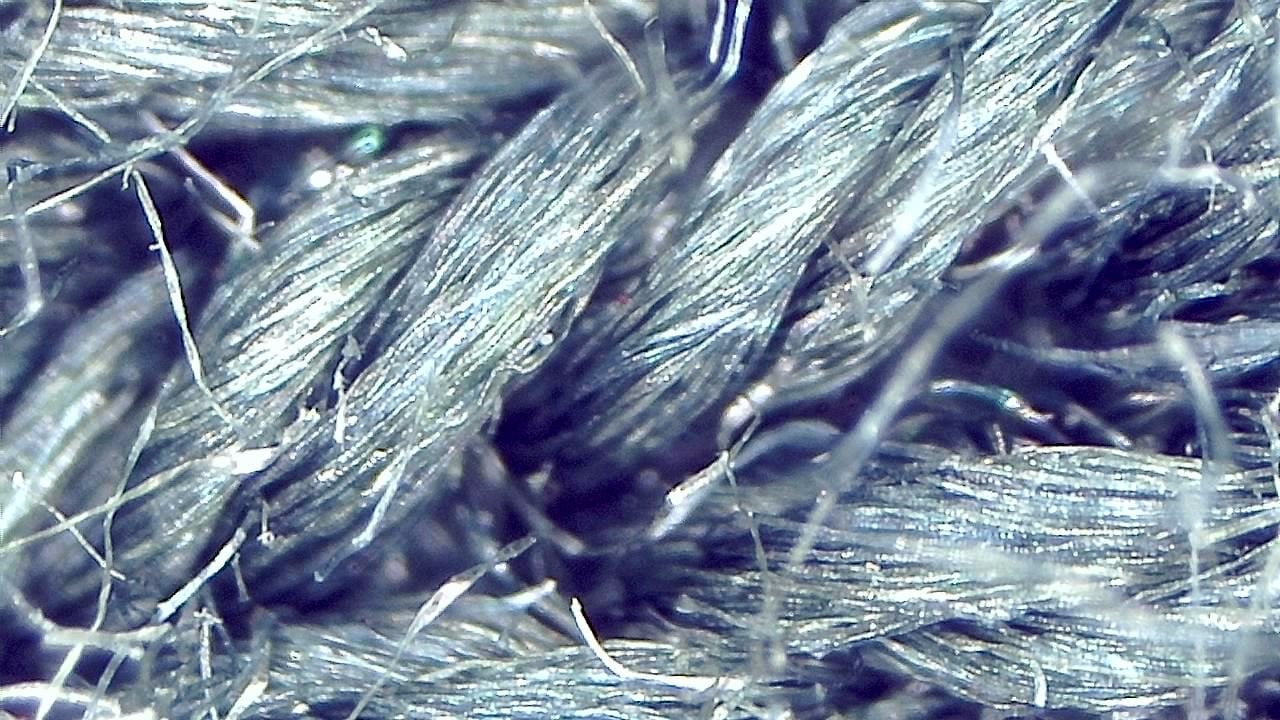
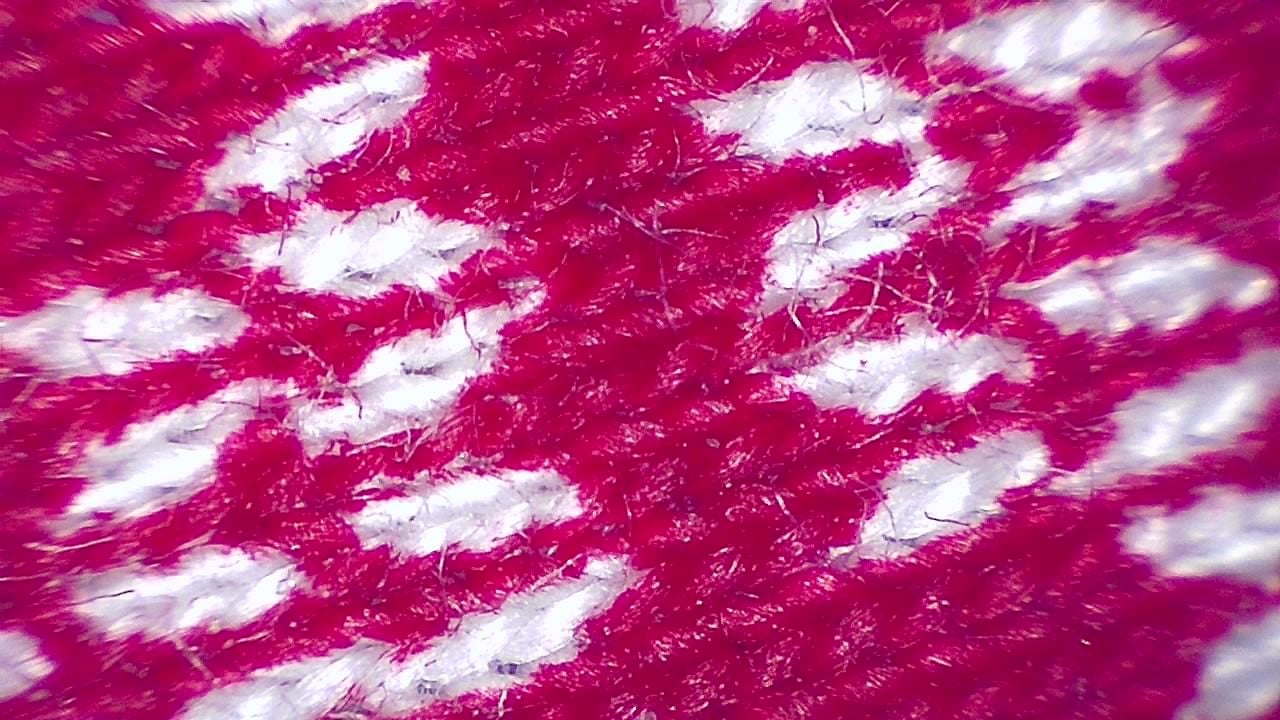
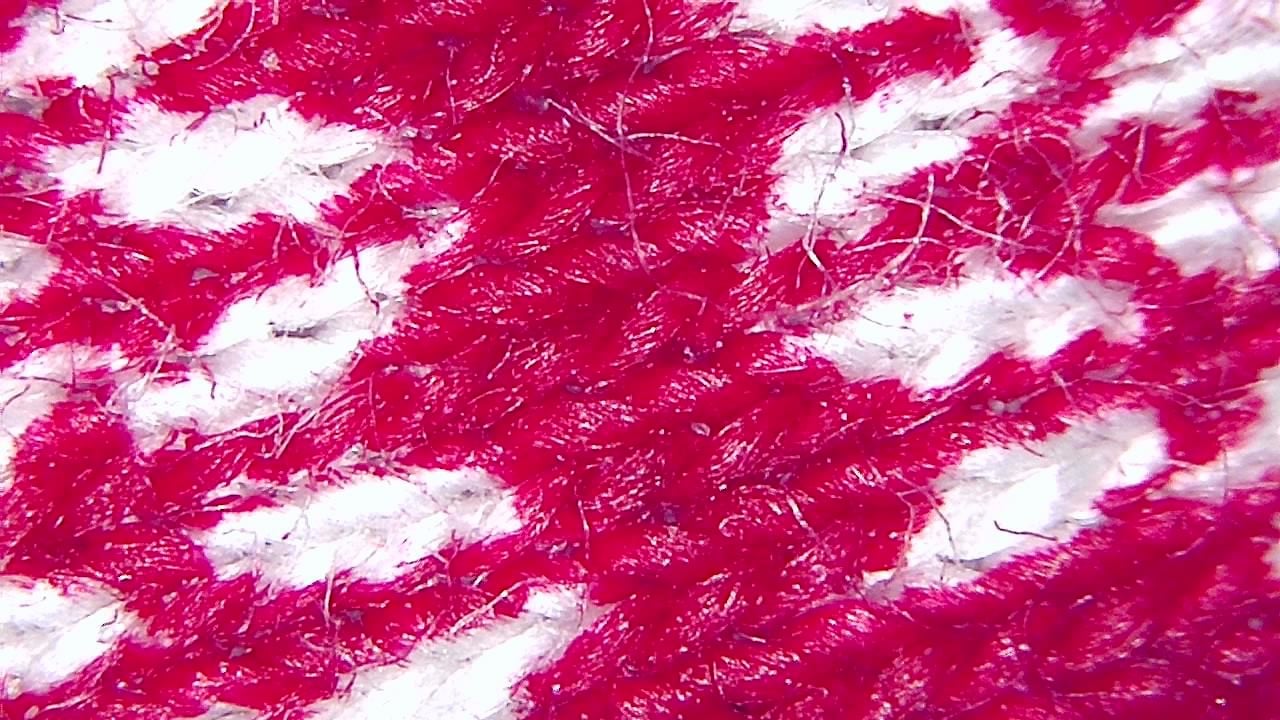
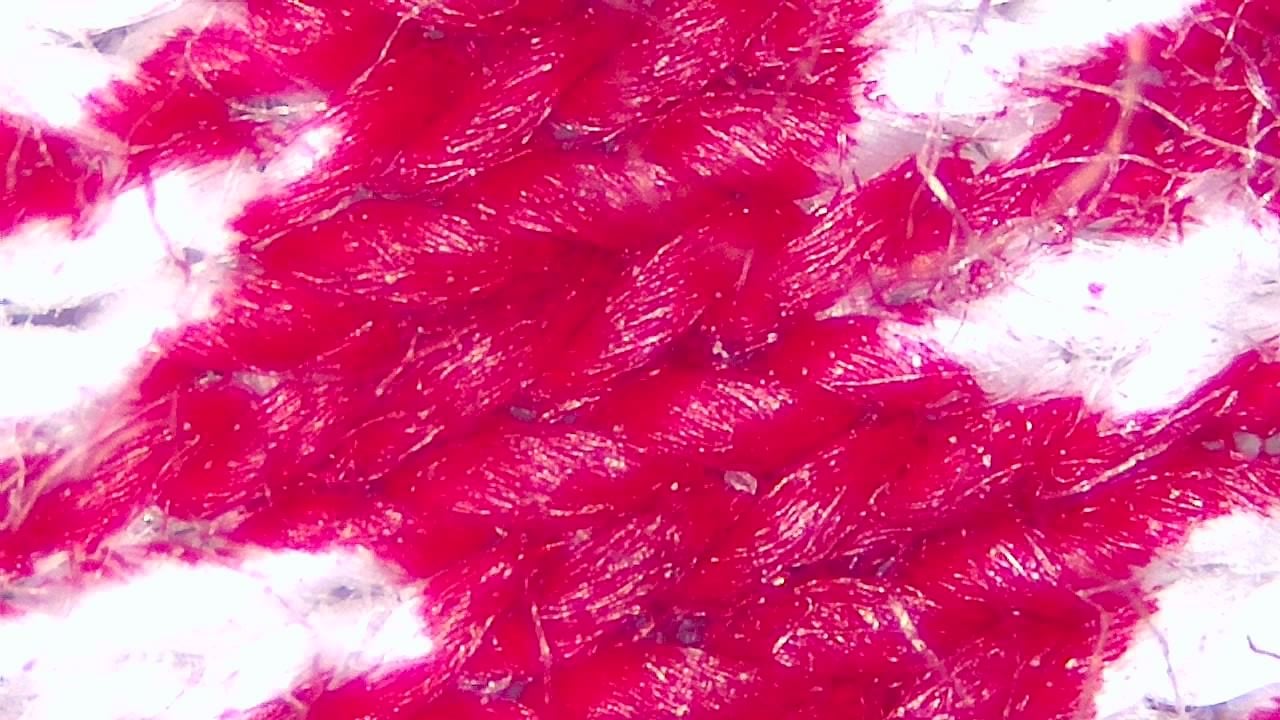
Click any image to enlarge
Practical examples
Loose thread and defect detection
Identify areas with fraying, weave irregularities, or finishing defects.
Batch comparisons
Build a visual record to compare quality across batches and suppliers.
Internal audits
Document issues with clear images for quality reports.
Limitations & best practices
- Fiber composition analysis requires specific lab methods.
- High-gloss fabrics may require lighting adjustments.
Frequently asked questions
Can Smart G-Scope inspect fibers and weave defects?
Yes. It can document visible fiber structure, weave irregularities, loose threads, pilling, and contamination for visual quality workflows.