Printing
USB Microscope for Print Inspection and Surface Quality Control
Visual documentation of dots, halftones, ink edges, registration, defects, and packaging or label surfaces.
Overview
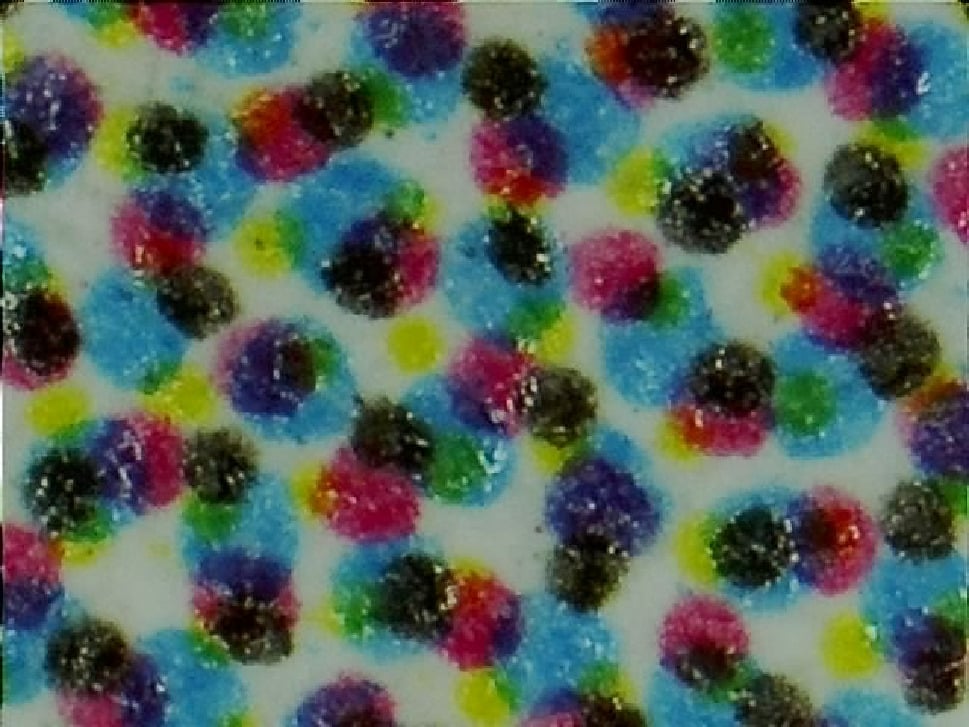
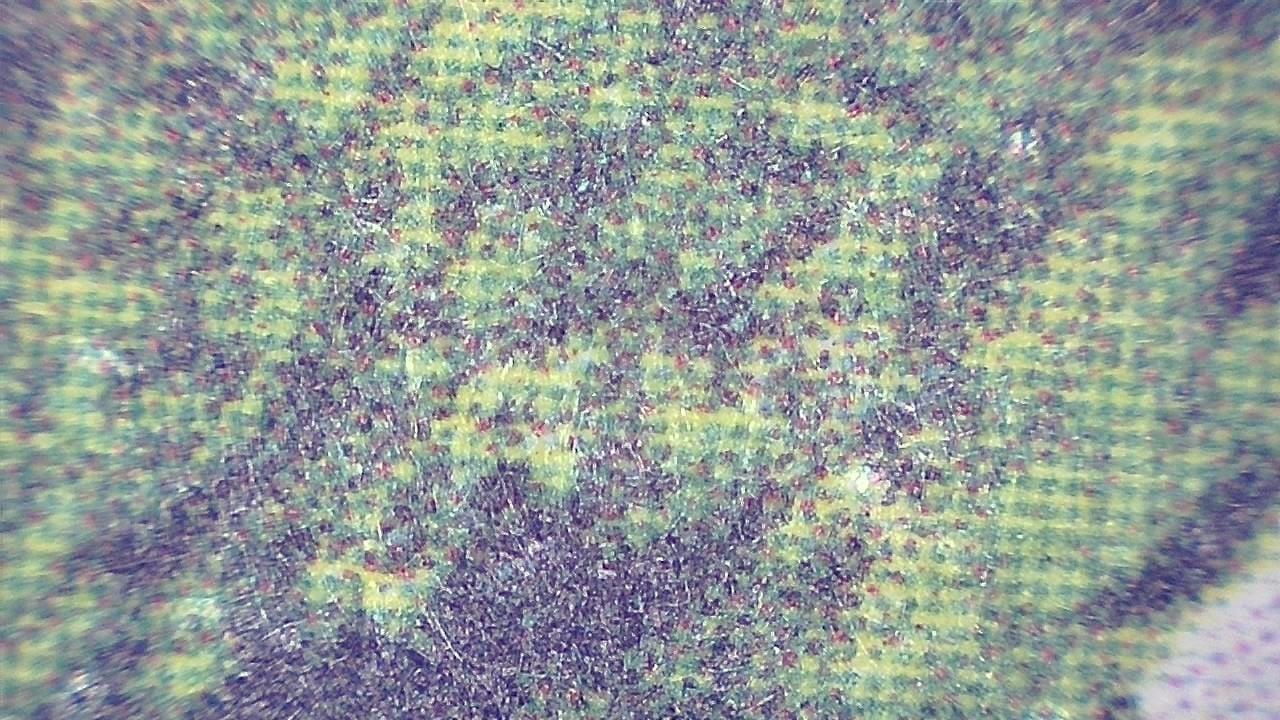
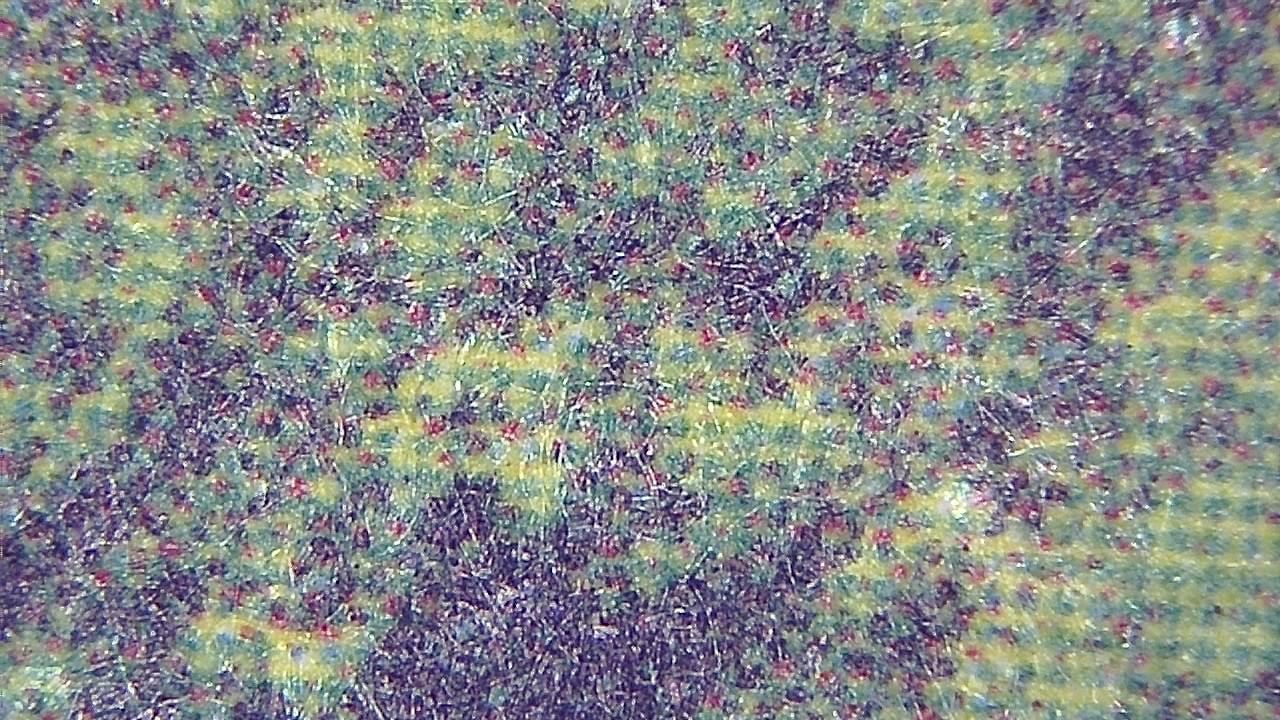
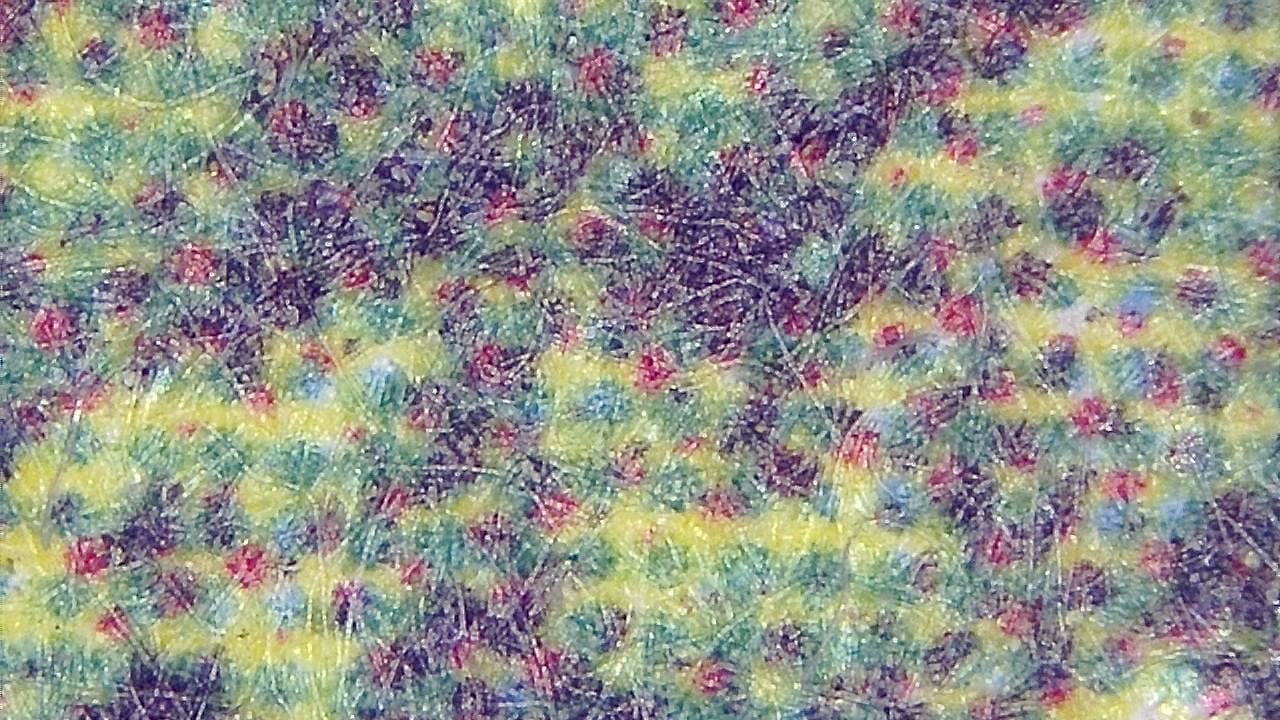
Smart G-Scope lets you examine halftones (rosettes), edges, CMYK registration, and defects such as banding or ink over/under-application.
It is useful for quality control in offset and digital printing, labels, and packaging, and also for validating print proofs.
Image capture makes it easier to communicate with suppliers and document production incidents.
Recommended Smart G-Scope setup
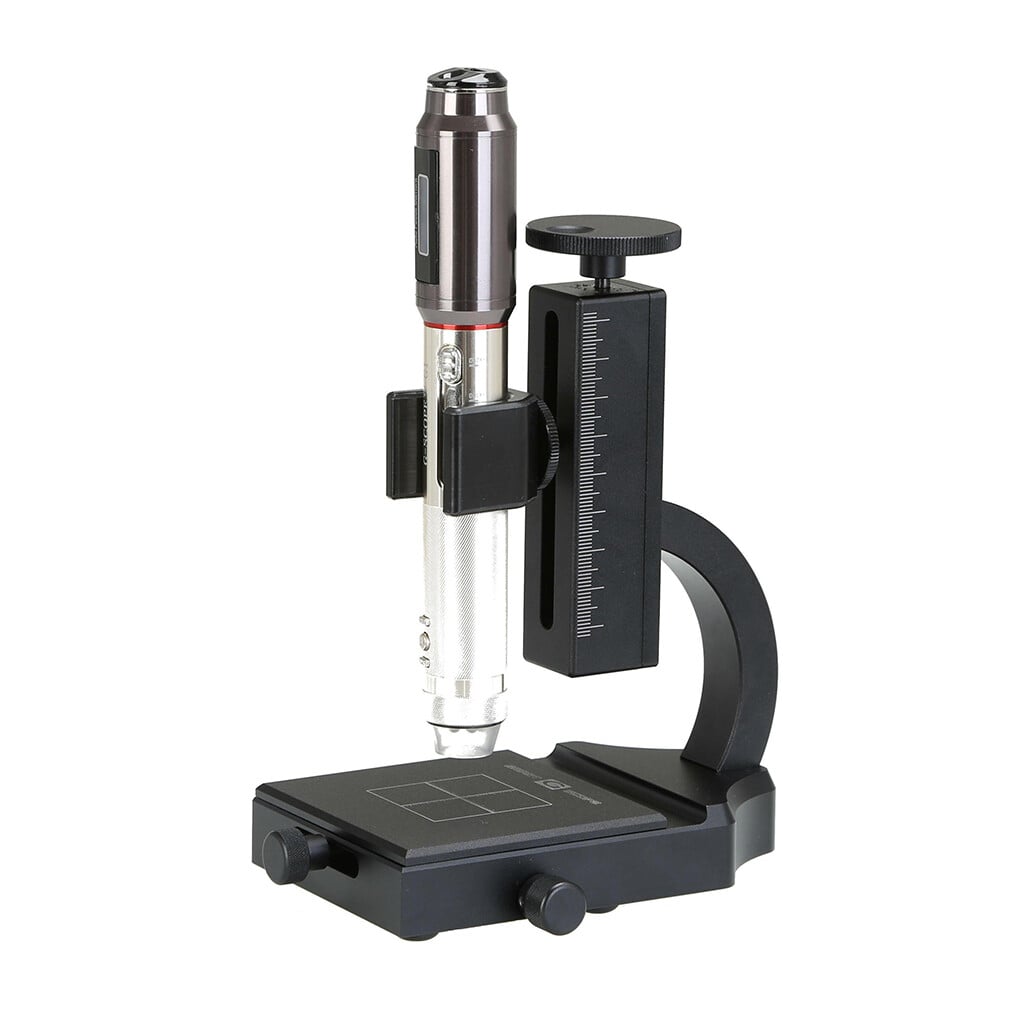
- Use stable positioning for repeatable proof, batch, and supplier comparisons.
- Adjust lighting to reduce glare on coated papers, labels, films, or laminates.
- Capture images with job, substrate, color, and defect notes.
What you can observe
- Halftone dots, rosettes, ink spread, edge sharpness, and registration shifts.
- Banding, missing ink, contamination, scratches, and surface defects.
- Packaging, labels, and printed technical surfaces where detail matters.
Typical workflow
- 1Capture a normal reference area from the proof or approved batch.
- 2Document defect areas under the same lighting and magnification.
- 3Share images with production, QA, or suppliers for corrective action.
Key benefits
- Sharp visual analysis of halftones and edges
- Identification of registration and alignment issues
- Fast defect documentation for traceability
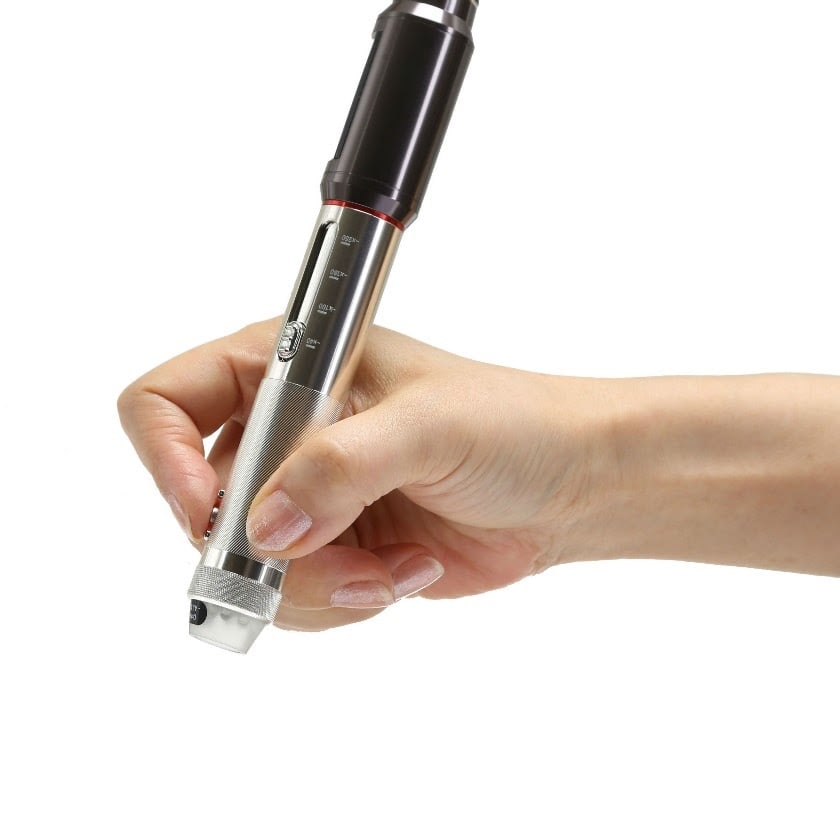
- Lightweight tool for desk or line inspection
Best for
- Print shops, packaging teams, label inspection, supplier quality, and technical print checks.
Not ideal for
- Replacing colorimetric measurement with densitometers or spectrophotometers.
Image gallery
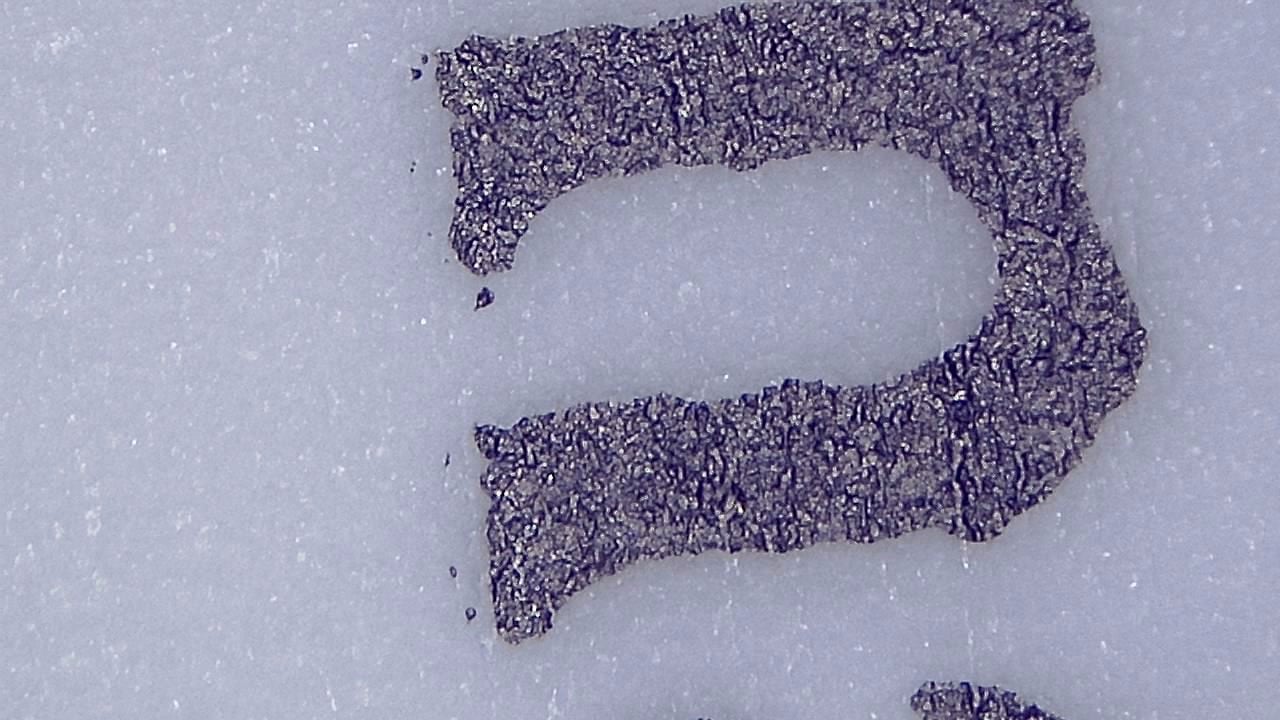
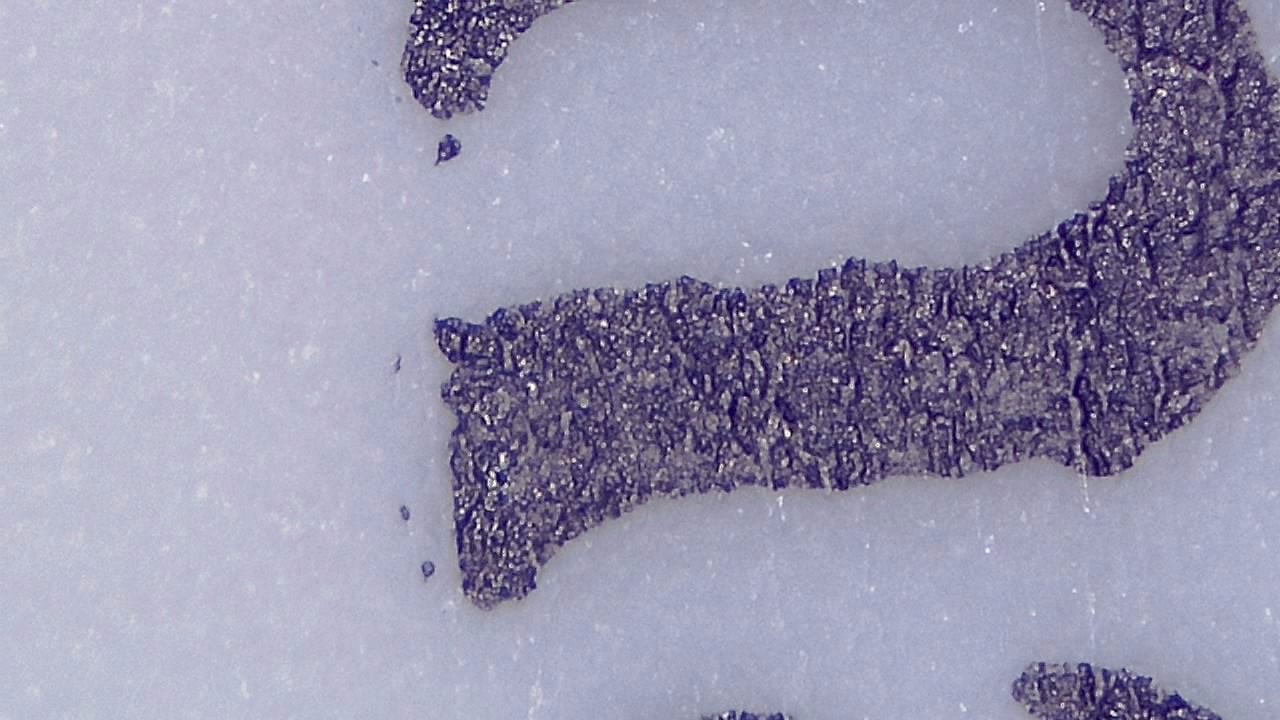


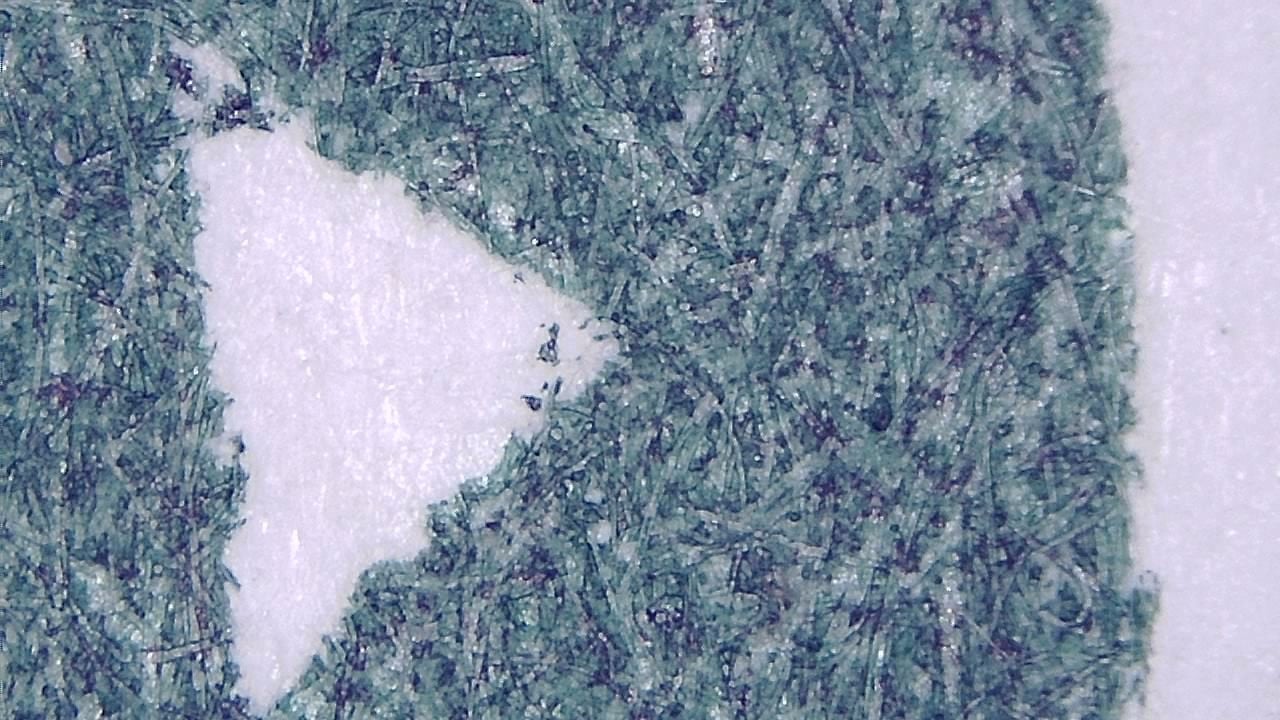
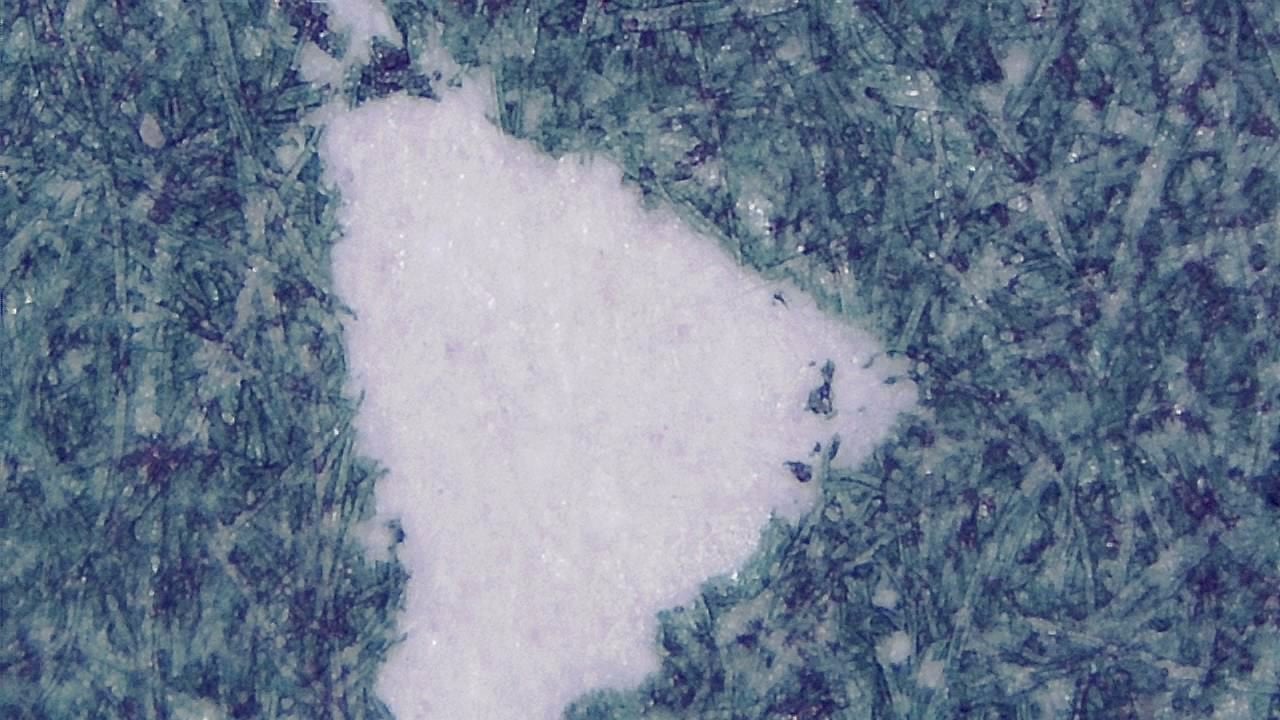

Click any image to enlarge
Practical examples
Color registration control
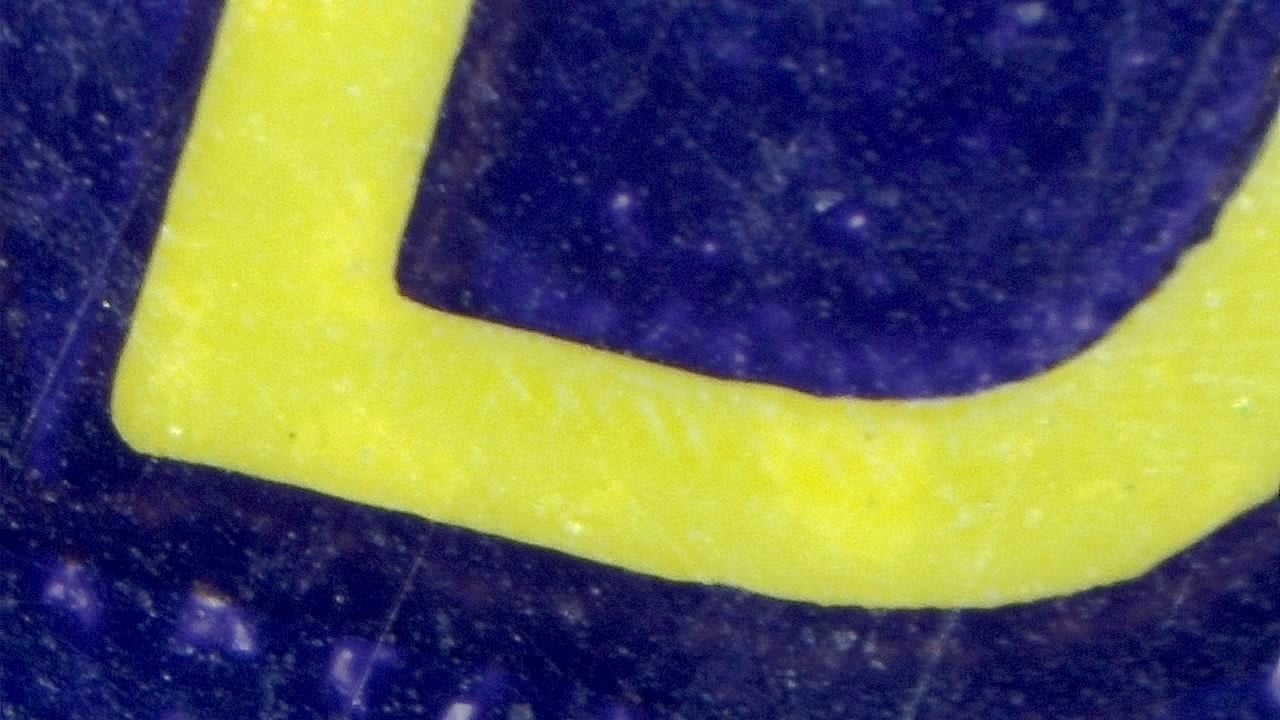
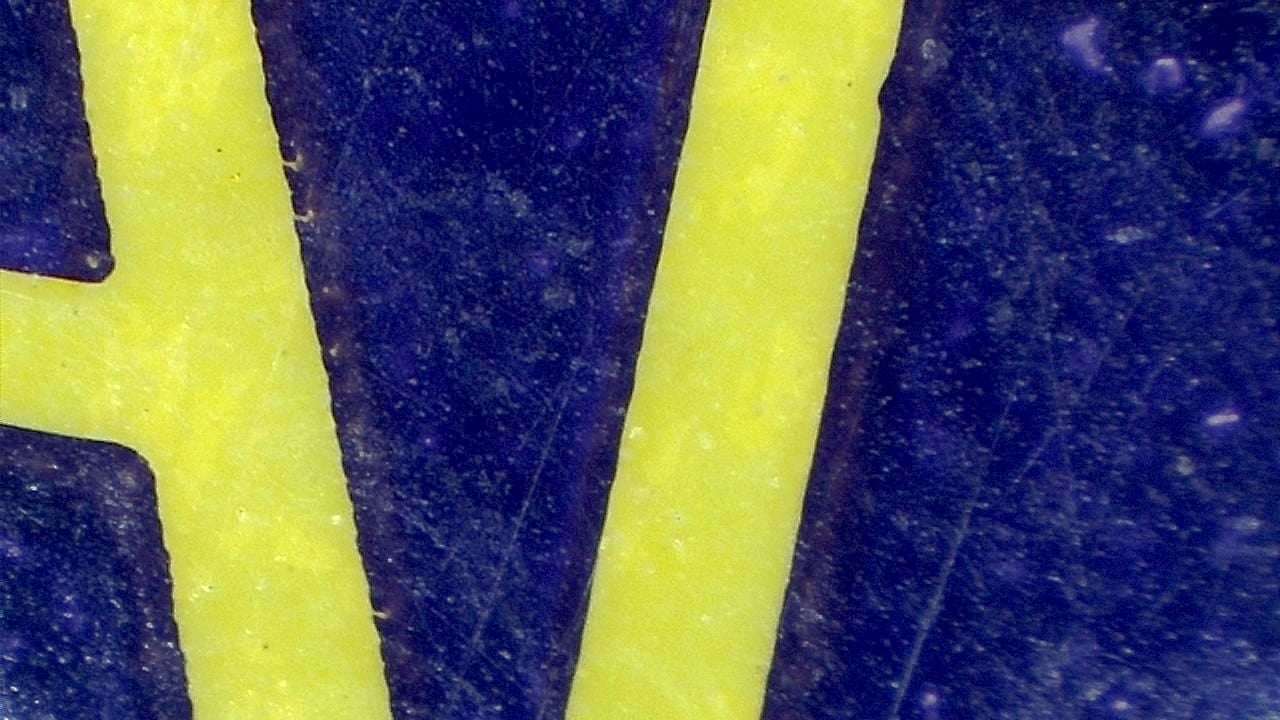
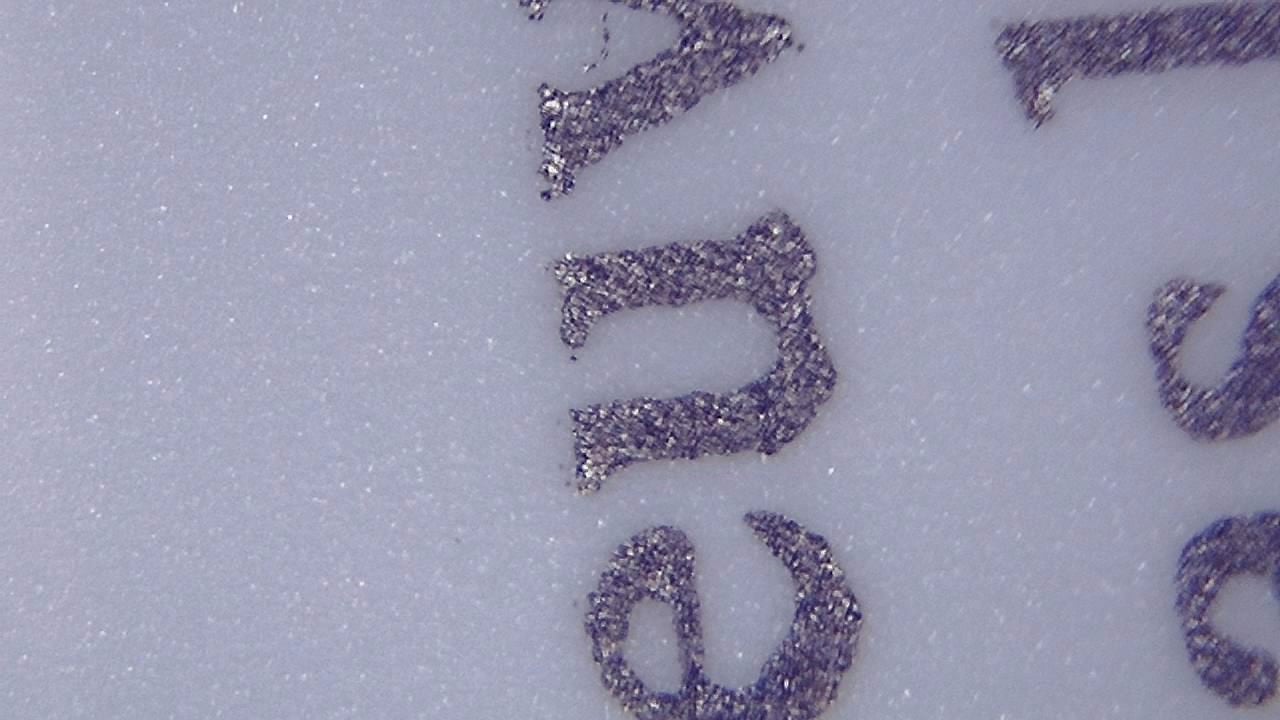
Detect shifts between CMYK layers and assess edges in small typography or fine lines.
Halftone and moiré inspection
Analyze halftone patterns to identify moiré issues or inconsistent density.
Packaging validation
Check print quality on textured materials (cardboard, laminates) and detect defects before packing.
Limitations & best practices
- For accurate colorimetric measurement, dedicated instruments are required (densitometer / spectrophotometer).
- Lighting and viewing angle affect glossy papers and reflective laminates.
Frequently asked questions
Can Smart G-Scope inspect print dots and registration?
Yes. It can document halftones, dot edges, registration shifts, and visible surface defects for quality-control discussion.